
|
Ar kurjeru visā Latvijā
|
You will be contacted about delivery time. | From 3,49 EUR |
|
|
|||

|
Piegādes punktos
|
You will be contacted about delivery time. | From 3,39 EUR |
 Read more





| Type | Litavimo stotelė |
| Feed | With a cord |
| Power, W | 75 |
| Weight, kg | 0.28 |
| Voltage, V | 220 — 240; 110 — 240 |
| Cable length, m | 1 |
| Application temperature, ° C | 90 — 480 |
| Accuracy, ° C | ± 2 |
| Switch | yes |
| Function | Temperature stabilization; Temperature calibration |
| Srovės dažnis, Hz | 50 — 60 |
| Electrical protection class | I |
| Maks. darba temperatūra, °C | 480 |
| Temperature control, °C | yes |
| Display type | LED |
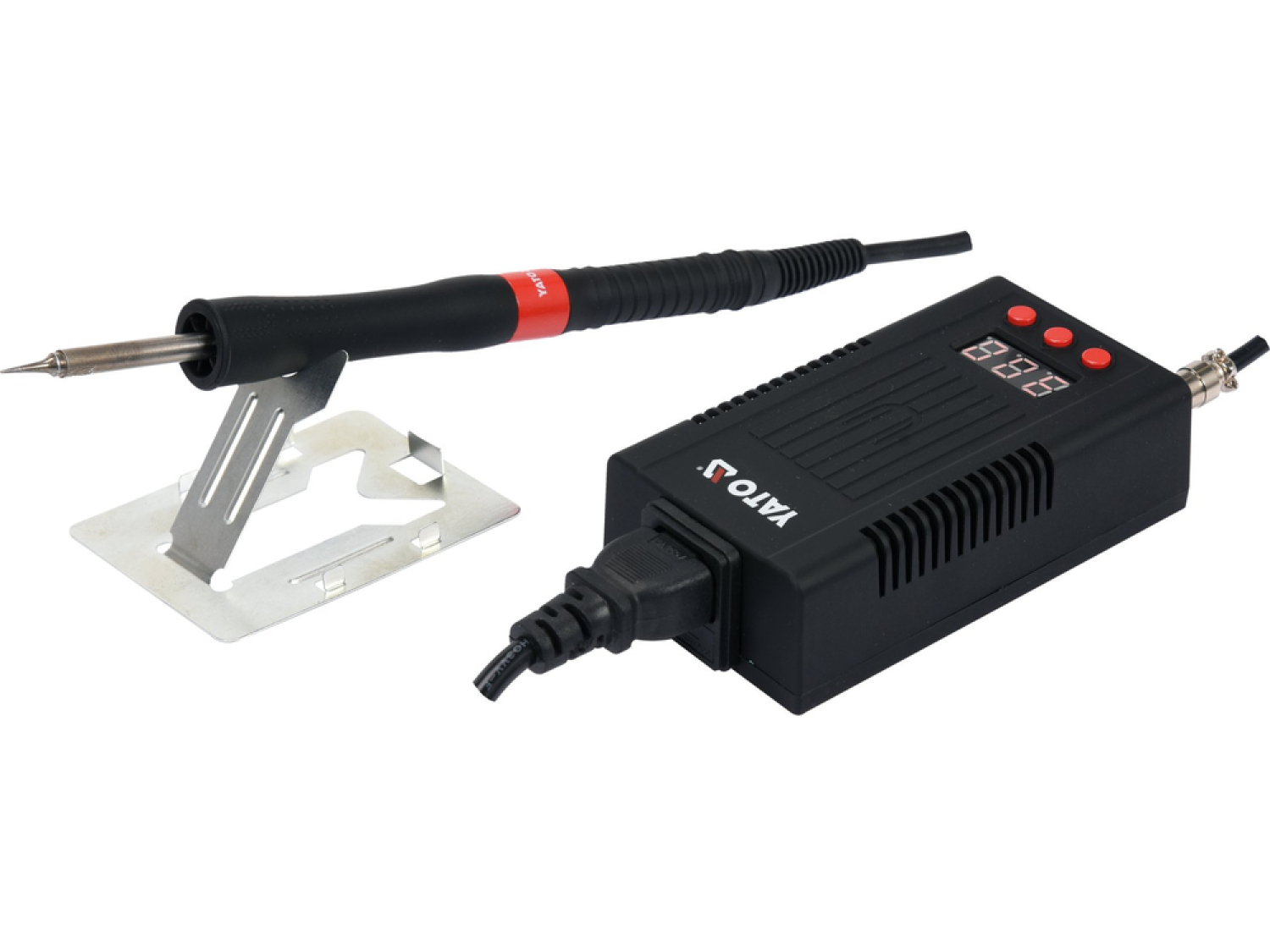
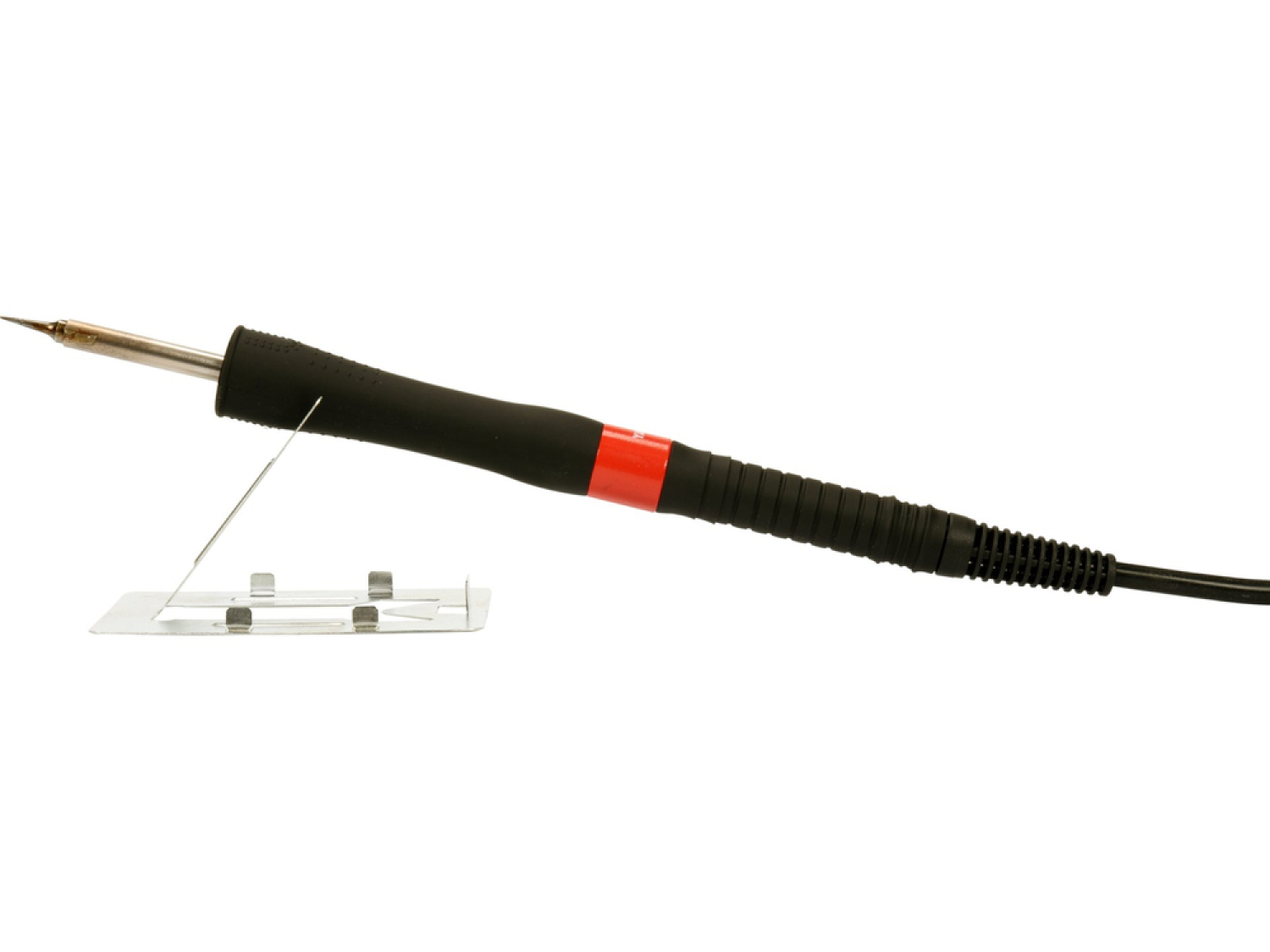
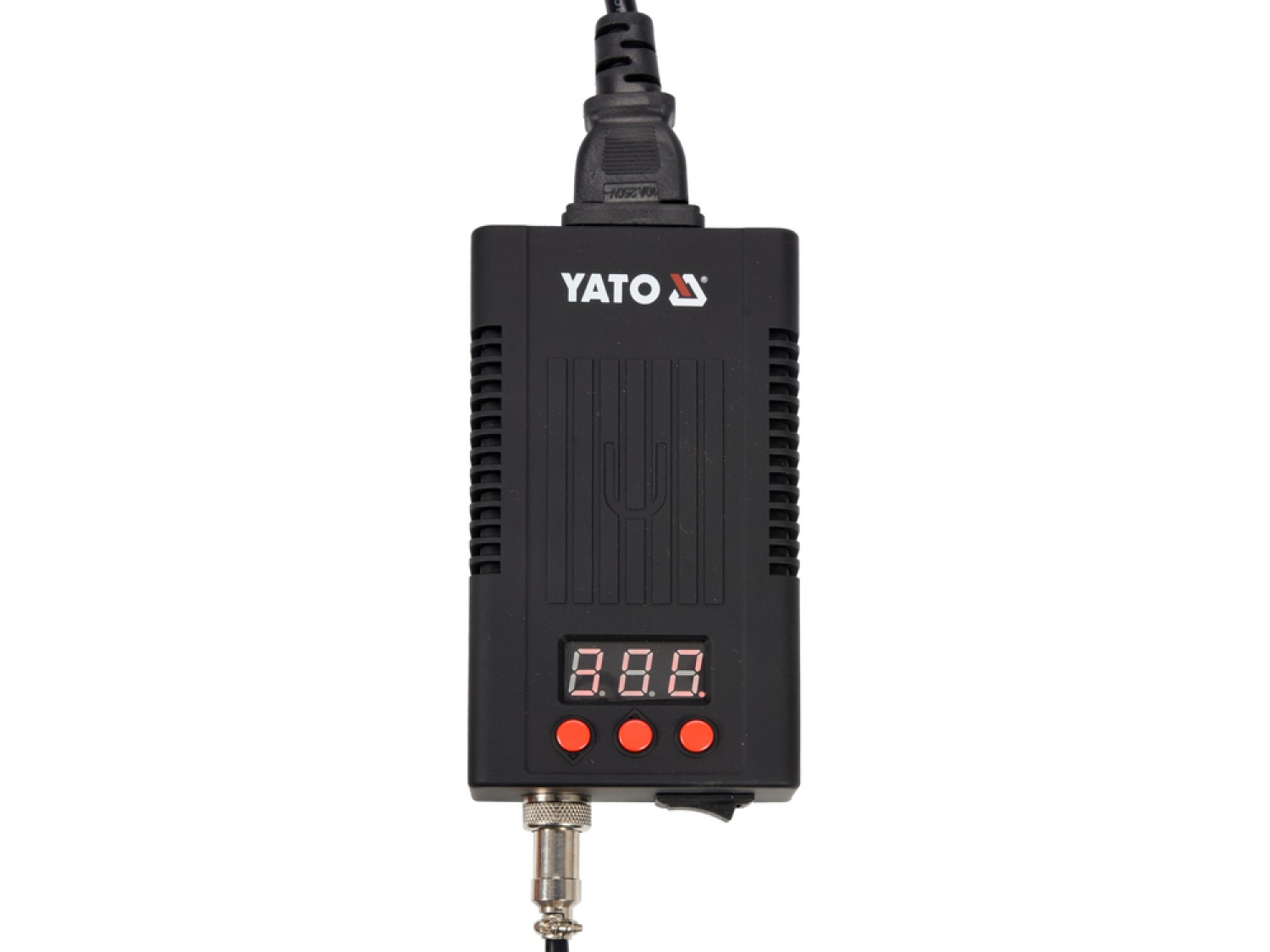
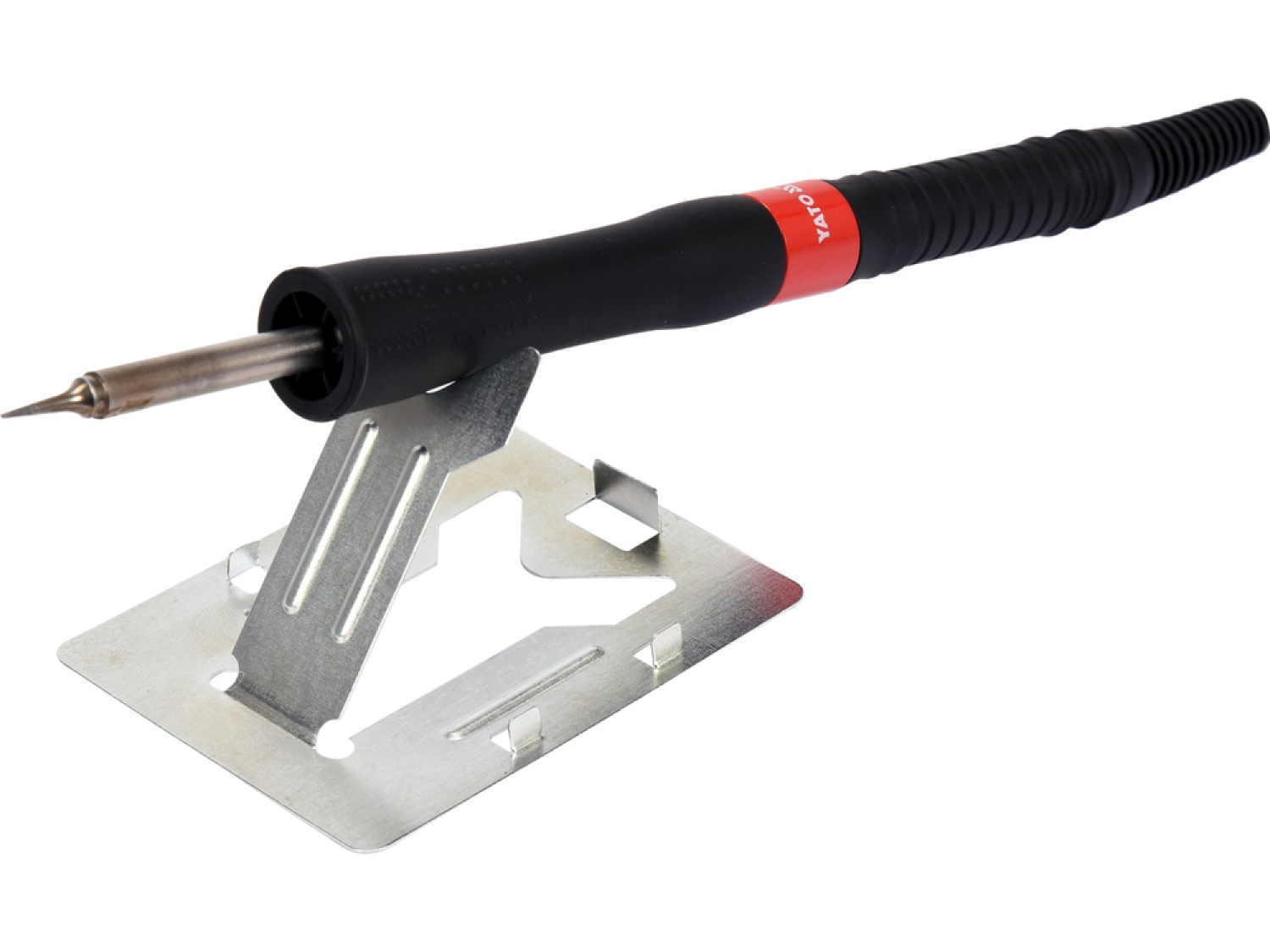
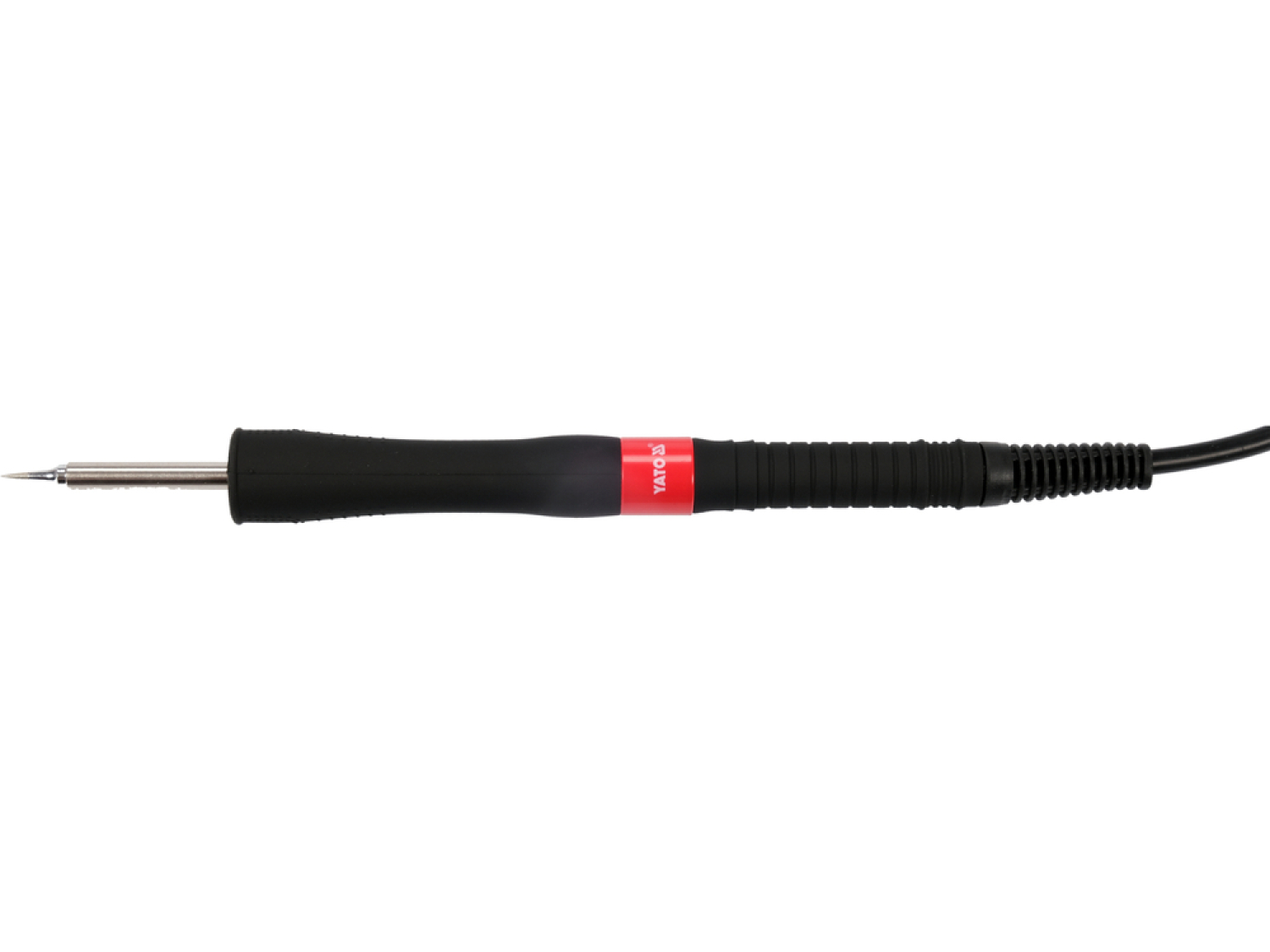
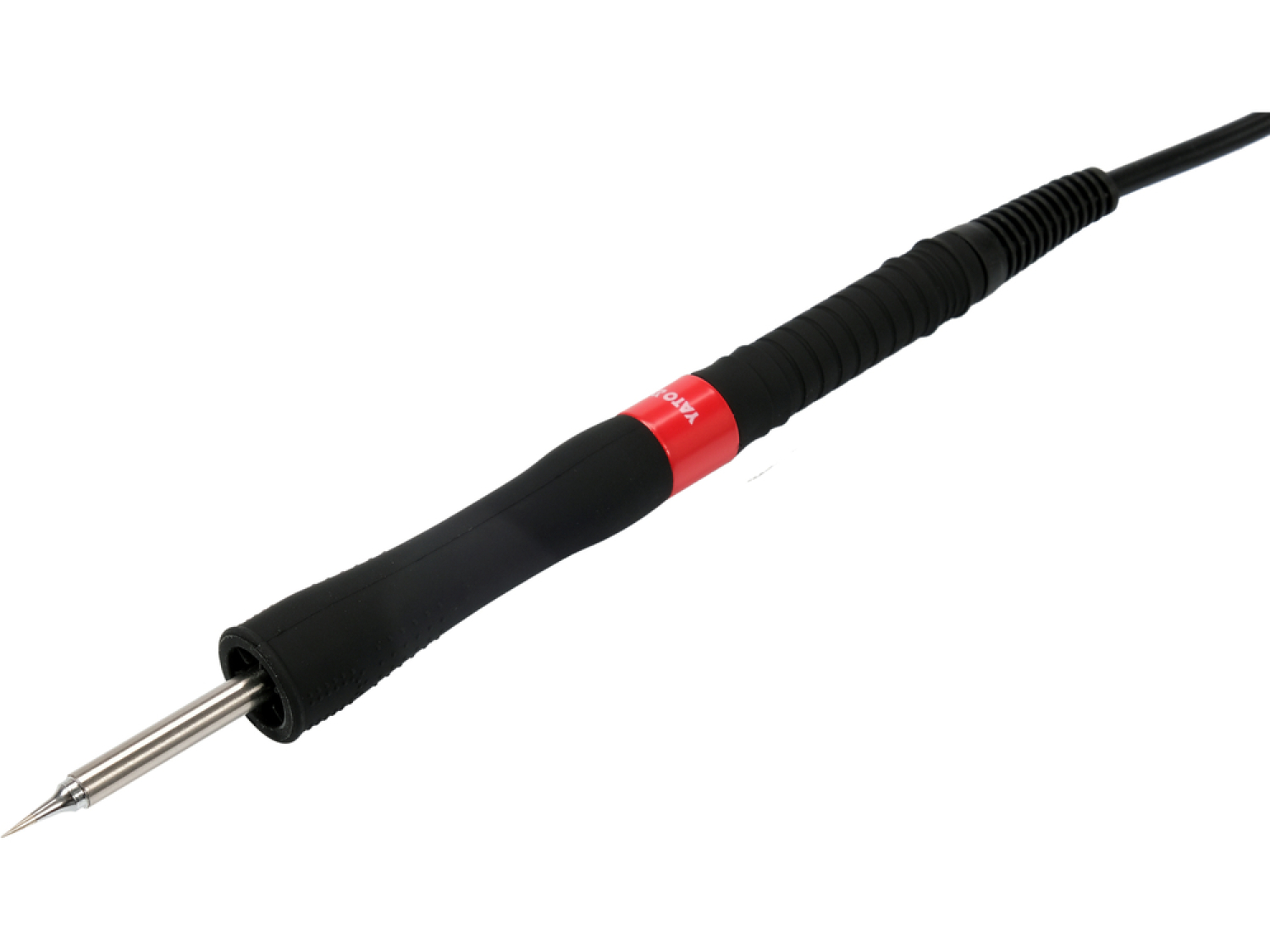
The YATO YT-82461 soldering station features a digital LED display along with temperature control and calibration functions, specifically designed for use with a soldering tip that has a built-in heater. The T12 type tip integrates a ceramic heating element, a temperature sensor, and a high-quality soldering point. This unique design allows for rapid heating and efficient temperature stabilization. The YATO soldering station stands out in the market with its functionality that extends the lifespan of both the heater and the temperature sensor, thereby enhancing the efficiency of the soldering tip.
The YT-82461 soldering station reaches an operating temperature of 350°C in approximately 20 seconds, and can reach around 300°C (85% of the set point) in just 7 seconds.
Advantages of T12 Arrowheads
One of the main advantages of the integrated design of T12 tips is the elimination of air resistance between the soldering tip and the temperature sensor. The temperature sensor in T12-type tips is connected in series with the heater, and it is situated as close as possible to the tip. Therefore, any temperature changes, such as when soldering large components, are detected immediately by the temperature stabilization function, which adjusts the device's power in real-time to maintain the desired temperature setting.
Another much-appreciated feature is the speed of changing soldering tips, with the ability to replace them without having to wait for the previous ones to cool down. Simply grasp the heated tip using heat-resistant material and slide it out of the soldering iron holder.
While the series connection of the temperature sensor and heater has several advantages, it also leads to a decrease in the lifespan of the sensor itself. However, the YATO YT-82461 soldering station comes with a special function designed to mitigate this issue:
During the final phase of soldering tip reheating, the station's software gradually reduces the heater's power as it approaches the set temperature. For example, at 350°C, the station will function at full power up to approximately 85% of this value before slowly decreasing for the last 15%. This method of power regulation significantly minimizes the negative effects of power surges on both the station and the soldering tip components. Intelligent power management also enhances the effectiveness of the temperature stabilization function.
Additional Functions
The Temperature stabilization function enables the soldering tip to maintain a consistent temperature under varying heat requirements during soldering. The tip adjusts its heat output based on the soldering element size and the soldering area, allowing the device to continuously monitor and adjust the power consumption to maintain the desired temperature.
The Temperature Calibration feature permits users to calibrate the built-in sensor of the soldering tip. With the help of a temperature measuring tool, the discerning user can calibrate the sensor according to the quality, size, and wear of the tip. Proper calibration positively affects temperature stabilization and helps experienced users avoid overheating connections on PCBs.
Note
*In T12 soldering tips, the temperature sensor is connected in series with the heating wire, and the control circuit communicates via the heater's power supply wires. Typically, this type of design utilizes a control circuit that disconnects power to the heater for less than a millisecond to read the tip's temperature and adjusts power consumption parameters as needed continuously. This process is cyclical and unnoticeable during standard operation, effectively stabilizing the soldering tip's temperature.
**In contrast, temperature stabilization in soldering devices with a holder design relies on air resistance, as the air between the tip and heater must also heat or cool, delaying the temperature sensor's response. Stabilization in older designs, where the temperature sensor was centrally located within the heating element, occurred slowly. Modern designs, such as those in devices YT-82456, YT-82458, and YT-82459, feature next-generation heaters with specially shaped designs and temperature sensors positioned at their tips, minimizing the impact of air resistance on temperature stabilization.